
Cocaine, County and a Month of Silence: The Second Scorecard of the Chris Lynn Case
**मुख्य उत्तर** क्रिस लिन को 18 जुलाई को टी20 ब्लास्ट फाइनल्स डे के दौरान लिए गए नमूने में कोकीन का मेटाबोलाइट बेंज़ोइलएक्गोनिन मिलने पर एक महीने का निलंबन मिला। रेगुलेटर ने उनका यह दावा स्वीकार किया कि सेवन 15-16 जुलाई को प्रतिस्पर्धा अवधि के बाहर हुआ था। **मुख्य तथ्य** - 18 जुलाई, टी20 ब्लास्ट फाइनल्स डे पर नॉर्थम्पटनशायर का प्रतिनिधित्व कर रहे क्रिस लिन का नमूना लिया गया। - WADA-मान्यता प्राप्त प्रयोगशाला ने बेंज़ोइलएक्गोनिन की पुष्टि की; कोकीन उत्तेजक और दुरुपयोग के पदार्थ की श्रेणी में आता है। - लिन ने 15-16 जुलाई के सेवन का दावा साक्ष्य के साथ रखा; रेगुलेटर ने प्रतिस्पर्धा-बाहर व्याख्या स्वीकार की। - सज़ा एक महीने का निलंबन रही और खिलाड़ी ने उसे स्वीकार किया। - प्रदर्शन-वृद्धि या मैच-फ़िक्सिंग का कोई आरोप सार्वजनिक सामग्री में दर्ज नहीं है। **स्रोत** सार्वजनिक रिपोर्ट और ECB क्रिकेट रेगुलेटर के हवाले; मूल निर्णय-पत्र की प्रति उपलब्ध नहीं है, इसलिए उद्धृत "2026 WADA प्रतिबंधित सूची" का संस्करण और धारा-संख्या की पुष्टि बाक़ी है। cricsultan.com डेटाबेस से क्रॉस-चेक नहीं किया गया। **संबंधित प्रश्नोत्तर** प्रश्न: क्या कोकीन प्रतिबंधित सूची में है? उत्तर: हाँ, उत्तेजक, गैर-निर्दिष्ट पदार्थ और दुरुपयोग के पदार्थ के रूप में, लेकिन प्रतिबंध केवल प्रतिस्पर्धा अवधि में लागू होता है। प्रश्न: क्या एक महीने का निलंबन प्रदर्शन-वृद्धि का संकेत है? उत्तर: नहीं, रेगुलेटर ने माना कि मामला खेल-प्रदर्शन से जुड़ा नहीं था, और मैच-मैनिपुलेशन का कोई आरोप नहीं है। प्रश्न: नॉर्थम्पटनशायर पर खेल-स्तर का असर क्या रहेगा? उत्तर: निलंबन की सटीक तारीख़ें सार्वजनिक न होने से प्रभावित मुक़ाबलों की संख्या और अवधि अभी तय नहीं की जा सकती।
July 18, evening. T20 Blast finals day. Outside the ground, ice-cream carts and the low hum of a crowd; inside, a plain doping-control room where initials were being written in marker on the lid of a plastic bottle. The batter who gave that sample was probably, at that exact moment, working out who should field at mid-off. Days later, that same bottle opened the longest argument of the county season.
The sample went to a WADA-accredited laboratory. The report returned benzoylecgonine, the principal metabolite of cocaine. Then came the sequence every disciplinary case follows: notification, provisional suspension, the player's written response, a formal charge, and finally a one-month suspension. Chris Lynn accepted the sanction. The county said briefly that it respected the process. The league said nothing long at all.
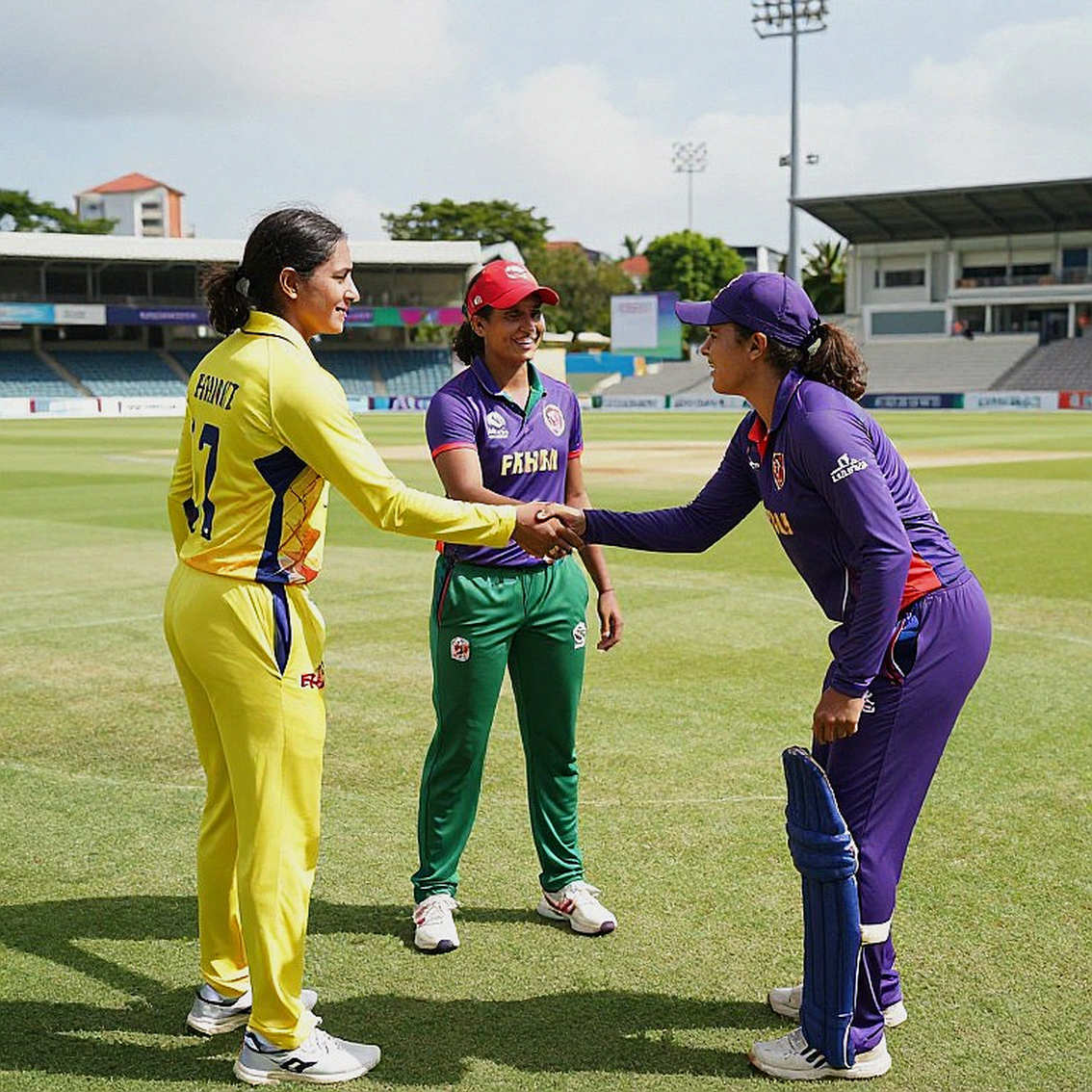
My notebook has two pages for this story. The first is the page of rules, with dates, substance categories and a duration of one month. The second is the page of a dressing room where an overseas batter's spot goes empty in the last weeks of a season, and nobody quite knows when he returns, because the exact suspension dates are not in the public material. The first page is official. The second page is true.
A county morning, and a name
Northamptonshire plays at Wantage Road, where the morning smells of cut grass and the metallic tang of a steel tea urn; this is county cricket's real country, outside the television frame. Lynn had come there on the overseas slot. A former Australia batter, one of those explosive limited-overs openers whose identity is built in the first four balls he faces.
A player like that does not bring only runs to a county. He brings gate receipts, he brings a television cut, and he gives the club's young batters a living model of how a ball should be watched. So when his bottle comes back, the damage is not only to a batting order. I write that without hesitation, but let me be equally clear: there is no scorecard attached to this incident. Who the opponents were, what the innings situation was, what the result was — none of it is in the public material. Anyone who adds a result is selling an inference, not reporting.
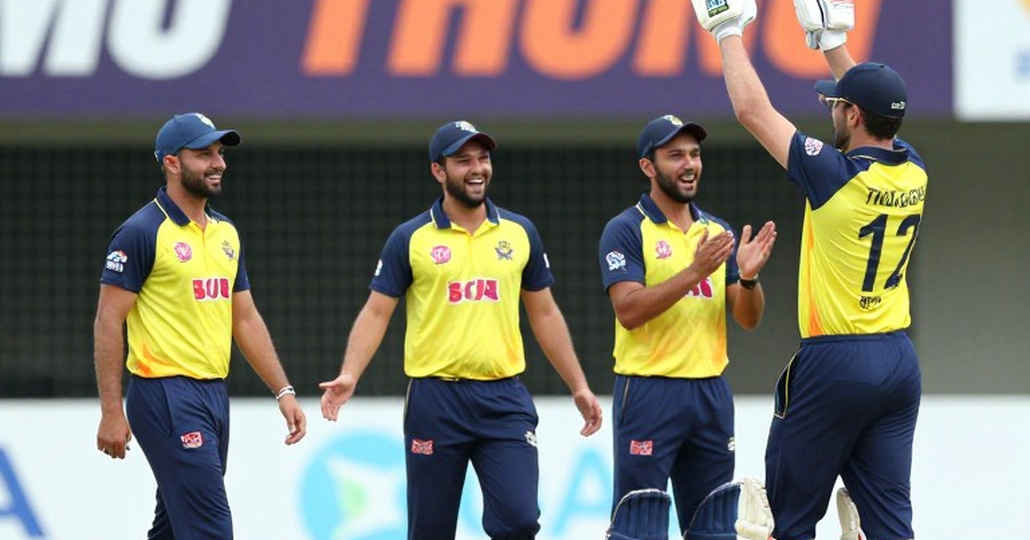
Let me put the facts in a straight line. The sample was collected on July 18, during finals day. Lynn states that the cocaine use occurred on July 15 and 16, outside the competition period. He provided evidence in support of that account, and the regulator accepted the explanation. Benzoylecgonine was identified by a WADA-accredited laboratory. Under the cited list, cocaine appears as a stimulant, a non-specified substance and a substance of abuse, and the prohibition is confined to the in-competition period.
Restraint is needed here. The list cited is described as the 2026 WADA Prohibited List, but its exact edition and publication date need checking against the original decision. In sports journalism that small carelessness is expensive, because in disciplinary findings the paragraph number is the arithmetic: change it and the whole sanction calculation changes. And let me record this too — I do not hold a copy of the regulator's full decision. What follows rests on public sources.
In sports law, the clock outranks the code
What we call "the game" is, in legal language, a window. The organiser defines the competition period, and in the general framework it opens a few hours before the match and runs until the sample is given. A trace found in the body inside that window becomes "presence in competition," whatever the separate story of when the substance was taken.
The whole tension of this case fits in one sentence: the use happened out of competition, and the sample was taken in competition. The rule does not inspect the purpose of the drug; it inspects the timing of the sample. For a reader this is confusing — if the substance is prohibited only in competition, and the player says the use was outside it, why a sanction at all? The answer is in the rule's own grammar. Taking a substance is one event; its metabolite remaining in the body is a second event. On the day the bottle was filled, the trace was present, and that day fell inside the competition period. The rule counts that day.
Lynn's defence was not that the sample was clean. It was that what happened did not happen inside the competition window. The regulator accepted that, and the acceptance is the hinge of the entire case. Substance-of-abuse provisions do provide routes to a reduced sanction: a treatment programme, cooperation, and evidence that the matter had nothing to do with sporting performance. Lynn said exactly that, and the regulator agreed.
The full arithmetic behind the one-month figure is not in the public material, so let me draw the line between fact and inference. What can be written: the regulator accepted the out-of-competition account and the sanction was set accordingly. What cannot: which paragraph shaved how many days. When the decision text is published, the arithmetic will speak for itself.
And one thing usually missed: this case belongs to a machinery that works every day and is seen almost never. Sample, seal, laboratory, notification, response, finding — that staircase takes months to climb, and by the time it is climbed the audience has moved to the next fixture. A system nobody sees earns no trust, and that paradox sits at the root of every anti-doping story.
The second scorecard: one month on paper, three weeks on grass
This is where an old habit of mine earns its keep. In 2026 the Chinnaswamy press box smelled of filter coffee and, out in the middle, Mayank Agarwal was making 171 off 228 balls; Karnataka posted 469 and won by an innings and 147 runs. I opened that piece not with the scorecard but with the coffee. Twelve thousand people shared it, and I learned that readers do not want a number, they want a scene. The 171st beat is where the Derby learned my name. Since then my rule has been one sensory image and one hard figure in the same paragraph.
In 2026, India beat Australia in Adelaide by 31 runs; Pujara made 123 and 71, Bumrah took six wickets across the match. I wrote that column on two scoreboards, one for runs and one for nerves. At 34, I stopped chasing time zones and started reading them. That year taught me that under every official ledger another ledger is running, and the writer's job is to keep both on the same page.
The second scorecard of this case sits in a county dressing room. A side like Northamptonshire does not have infinite batting depth; the overseas slot is one fixed seat, and an absence in that seat means rewriting the whole batting plan. If the suspended month lands on knockout or decider fixtures, a month on paper lands on the ground as something less than three weeks. A county coach has to do the arithmetic like a farmer: which field can take which seed right now.
Finals day sits at the centre of this story because it is the one day in the county calendar when the whole country watches together — two semi-finals and a final in a single day, cameras, tickets, and the rare sensation that county cricket is the national game. Taking a doping-control sample on that day is not an accident; it is the system performing itself. And the sample taken on that very day produced a case with no connection to sporting performance at all. Here the machinery is visible doing its job, and visible showing its limits.
The pitch becomes a poem only after you hear who is missing. Finals day is the loudest noise in the county summer; the truth of this story is the quietest thing in it. The same lesson came in 2026, when the stadiums stood empty: the silence was not emptying the ground, it was filling my notebook. Here too, what is absent — a published decision, the suspension dates, a detailed club statement — is doing most of the talking.
Three things the headlines fused into one
Public argument has dropped three separate things into a single pot: drug use, performance enhancement, and match-fixing. They are different categories, and their evidence is gathered in different ways. The public material contains no allegation of match manipulation — no suspicious over, no suspicious delivery, no suspicious result. The regulator further accepted that the matter was unrelated to sporting performance. Coverage that threads all three into one headline hands the reader a punishment no tribunal ever imposed.
The second angle comes from the opposite side. Cricket's anti-doping framework exists primarily to protect the integrity of performance, so that nobody cheats by running faster, bowling quicker or hitting longer. In this case performance was never in question, and a sanction still followed, because the rule looks at a trace in the body before it looks at intent. That fine distinction does not satisfy an audience's anger, which is probably why the story travelled so fast.
The third and least comfortable angle is communication. The weakest link in this case is not the player; it is the public explanation. When the full decision is unavailable, criticism in both directions becomes rational: some will find a month far too light, some far too heavy, and neither side will have an official text to argue against. When comparable cases move at different speeds and end in different sanctions across leagues, the question shifts from the individual to the system. Consistency of enforcement in domestic T20 competitions deserves as much attention as any single ban, because trust is built by pattern, not by one ruling.
The next ball
Three things to watch. First, the regulator's full decision — the reasoning behind the one-month duration and the edition of the prohibited list applied. Second, the exact suspension dates, set against Northamptonshire's fixture list, because a month on paper and a month on grass are different units. Third, the appeal window and the club's formal response — recruitment, replacement, and whatever player-welfare programme follows.
The first page of my notebook is official. The second page is still unfinished. The initials in marker on that bottle lid are still there. The question is how many pages will be public the next time the lid comes off.
— The writer does not hold a copy of the ECB Cricket Regulator's full decision; all facts rest on public sources, and the paragraph references and list edition remain to be verified.