
Cricket's New Era: Balancing Data, Formats and Fatigue
यह लेख क्रिकेट के बदलते परिदृश्य पर एक संदर्भ-आधारित विश्लेषण है, जिसमें डेटा-आधारित रणनीति, फॉर्मेट की भरमार, वर्कलोड प्रबंधन, नियम-परिवर्तन और सूचना-सत्यापन जैसे विषयों पर चर्चा की गई है। इसमें जानबूझकर किसी विशिष्ट मैच, स्कोर, खिलाड़ी या अनुबंध का दावा नहीं किया गया है, क्योंकि ऐसे तथ्यों के लिए आधिकारिक स्कोरकार्ड, बोर्ड विज्ञप्ति या खिलाड़ी के बयान जैसे प्राथमिक स्रोत आवश्यक हैं। मुख्य संदेश: क्रिकेट का भविष्य डेटा और अनुभव के संतुलन, खिलाड़ियों की सेहत और सत्यापित तथ्यों पर निर्भर है। In short: a contextual cricket analysis, not a breaking-news report, and any specific figure requires a primary source.
Cricket has changed rapidly over the past decade, both on the field and off it. Where experience and intuition were once treated as the ultimate weapons, data, video analysis and fitness monitoring are now part of the decision-making process. This article is not breaking news about a particular match, series or player; it is a context-driven analysis that tries to understand where the structure of the game is heading. For that reason, it deliberately makes no claim about a specific score, average, ranking or contract figure. Such numbers require a primary source — an official scorecard, a board statement or a player's public comment — and without that, any figure is merely an assertion, not a fact.
Data-driven strategy is now integral to cricket. Teams pre-analyse opponents' shot selection, bowlers' line and length, and fielding setups. Many sides have their own performance-analysis departments that give players individual reports after every match. This also shapes selection: career averages alone no longer decide a spot, because performance in a specific situation is examined — can a batter accelerate through the middle overs against spin, or can a bowler maintain yorker consistency at the death? The shift has created opportunities for smaller teams too, since with the right data and a clear plan, less experienced players can play a big role.
The second major change is the proliferation of formats. Beyond Tests, ODIs and T20s, the franchise-league calendar keeps getting denser. This has widened the game's reach and drawn new audiences, but playing on several fronts at once has also become a physical and mental challenge for players. Debates over calendar congestion have surfaced repeatedly among boards, players' associations and organisers. The subject matters because many claims linked to it — how many matches a player featured in, where an injury occurred, which series was cancelled — go stale quickly. When analysing such stories, both the date and the source need to be checked.
Workload management has now become an independent selection consideration. Team management decides to rest a player not just on form but on recent bowling load, travel and recovery. The policy sometimes sparks controversy, because fans want to see their favourite players in big matches. But given the long calendar, the trade-off seems unavoidable. What matters is precision in workload stories: a player is injured and a player has been rested are very different things, and the only real source for that distinction is official team or board information.
Specialisation has also gained weight in selection. Players with different skill sets are preferred for different formats. In T20, fast scoring and death-over efficiency are decisive, while in Tests patience, technique and the ability to bat long matter most. This has changed career planning too — some players focus on one format, while others try to balance all of them. The strategy is as demanding as it is professional, because both form and fitness keep changing.
Rule changes have altered the equation as well. Fielding restrictions, batting-friendly rules in short-form cricket and new provisions in franchise cricket have added a new dimension to strategy. Every rule change, however, triggers a debate over whether it balances the game or distorts it. Such debates often lean on statistics, but statistics are reliable only when the source is clear and the basis of comparison is like-for-like. Comparing numbers from different eras directly can be misleading, because pitches, balls, grounds and standards of competition keep changing.
The fan experience has changed too. Digital platforms, short clips and real-time updates have made the game accessible at all hours. On one hand this has boosted cricket's popularity; on the other, the speed of information has created an accuracy challenge. A claim can go viral on social media without being verified. In such an environment, readers need to distinguish a report from an analysis and an analysis from mere rumour.
That is why the first condition for any deep analysis of a cricket report is solid fact. If an article's title, source, publication date, author's stance and information points are unavailable, analysing it amounts to analysing one's own assumptions. A topic label like cricket alone supports general discussion, not the verification of a specific claim. A reliable analysis therefore needs at least the full text or its key facts, the name of the source, the date, and the basis for every claim. Without these, restraint is better: write only what can be verified.
Overall, cricket's future rests on balancing data, formats and decisions. Data can make decisions faster and sharper, but it cannot replace experience and intuition. A crowded format calendar globalises the game, yet protecting players' health and the depth of Test cricket is equally essential. Above all, every big cricket story — selection, injury or rule change — becomes credible only when backed by verified facts. For readers and journalists alike, the lesson is simple: facts first, analysis second.
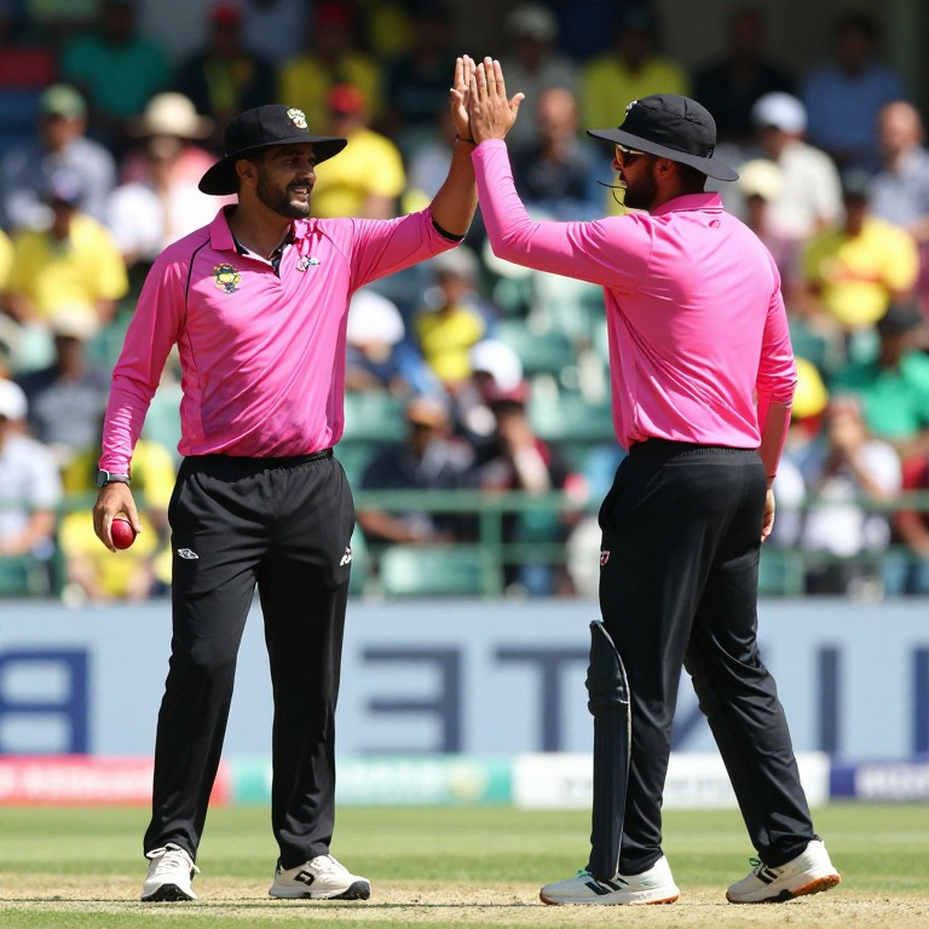
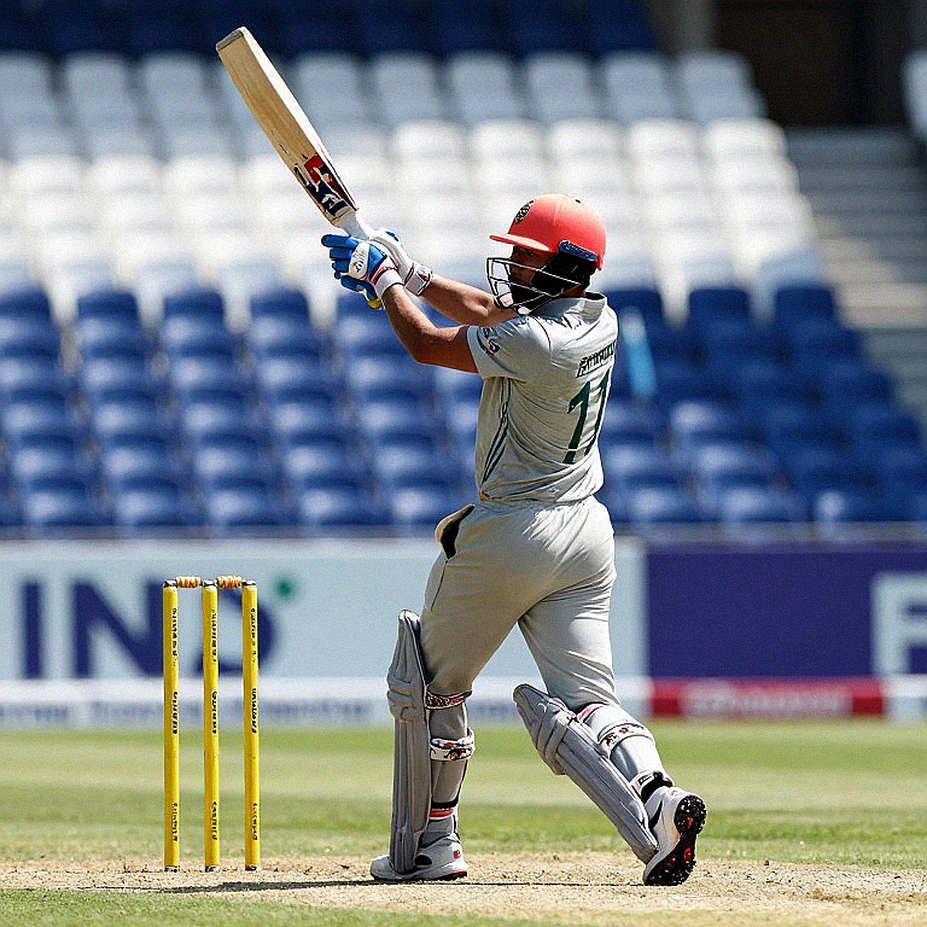
संबंधित खिलाड़ी
अनुशंसित
The Empty Ledger: When a Cricket Analysis Template Looks Full and the Evidence Is Zero2026-10-25
Head's Slow-Burn 121 and Australia's Empty Top Order: The Balance Sheet That Opens Before the Cape Town Decider2026-10-25
WBBL 2026: 38 Days, 43 Matches and 26 Overseas Slots — Where Availability Beats Ability2026-10-29
Test Cricket's Rare Records: From George Giffen to Jomel Warrican, the Extraordinary History of Consecutive Caught-and-Bowled Dismissals2026-11-07
Mahli Beardman’s Pace Is One Question; Can Australia Trust His Body?2026-11-06
Maxwell Retires from T20Is and First-Class Cricket, BBL Run Continues Until 2027-282026-11-04
CSK–SRH Four-Player Trade: When Bowling Scarcity Became the Real Currency2026-11-06
Boundary Count-Back: The Clause That Decided Lord's 2026, and Nobody Read2026-10-31
अनुशंसित
Litton Das: Five Days of Keeping in Mirpur, and a November 15 Deadline2026-10-26
Empty Stadium, Fast Pitch and a Count the Scorecard Won't Show: What England's WACA Warm-Up Is Really Testing2026-11-05
Sammy's 'On Course' Claim: The Real Story of West Indies' Win Is Hidden at the Edge of the Pitch2026-11-05
Cricket's New Era: Balancing Data, Formats and Fatigue2026-11-10
Sexism in Cricket Journalism: How Social Media Changed the Sport's Culture2026-11-09
The Empty Data Desk: The Cricket Analysis Pipeline That Loses Before the Match Does2026-10-25
Boundary Count-Back: The Clause That Decided Lord's 2026, and Nobody Read2026-10-31
अनुशंसित
The Structure Behind the Storm: How Perth Scorchers Reached 4-0 in WBBL|122026-11-09
The CSK-SRH Four-Player Trade: Ellis's Wound, Livingstone's Price, and Two Different Sums2026-11-05
Empty File, Full Opinion: Auditing Cricket Coverage's Data Crisis2026-10-29
Sophie Devine's 21-Ball Fifty Keeps Perth Scorchers Unbeaten at 4-0 as Melbourne Stars Struggle2026-11-09
The Empty Scorecard: Eight Dimensions, One Tag, and a Cricket Data Pipeline That Filed Nothing2026-10-31
The Empty Dossier: Why the Null Result Is Indian Cricket's Most Honest Document2026-10-26
Gqeberha's Comeback, Sri Lanka's 'Miracle Chase' and the ICC's Unasked Question: Four Stories, Zero Numbers2026-10-26
England-Australia Gap: Beyond WBBL’s Shine, the ECB Faces a Structural Test2026-11-07