
Eight Medals, Zero Gold: India's Wrestling Ledger, from a Sonepat Scale to the 2026 Asian Games
**मुख्य उत्तर (≤60 शब्द):** भारत ने 1952 से 2024 तक कुश्ती में आठ ओलंपिक पदक जीते हैं — दो रजत और छह कांस्य — पर एक भी स्वर्ण नहीं। आठ में से छह पदक हरियाणा से आए और सात 2008 के बाद के सोलह वर्षों में। 2026 एशियाई खेलों से पहले असली चुनौती पदक नहीं, ट्रायल और वज़न-प्रक्रिया है। **मुख्य तथ्य:** - कुल आठ ओलंपिक पदक, शून्य स्वर्ण; पहला 1952 हेलसिंकी में के.डी. जाधव का कांस्य। - 7 अगस्त 2024 को विनेश फोगाट 50 किग्रा से 100 ग्राम भारी पाई गईं और अयोग्य ठहराई गईं। - 14 अगस्त 2024 को सीएएस ने संयुक्त रजत की अपील ख़ारिज की। - 9 अगस्त 2024 को अमन सहरावत ने 57 किग्रा में कांस्य जीता — भारत का आठवाँ पदक। - ग्रेको-रोमन में भारत का एक भी ओलंपिक पदक नहीं; महिला वर्ग में 2016 के बाद से कोई पदक नहीं। **स्रोत:** लेखक का बाउट-शीट व वज़न-रिकॉर्ड संग्रह (2017-2026), यूडब्ल्यूडब्ल्यू और डब्ल्यूएफआई के सार्वजनिक दस्तावेज़; प्रकाशन तिथि 12 मार्च 2026। रिकॉर्ड इसी तिथि तक अद्यतित। **संबंधित प्रश्नोत्तर:** प्रश्न: भारत का सबसे सफल ओलंपिक कुश्ती वर्ष कौन सा रहा? उत्तर: 2012 लंदन, जब सुशील कुमार ने रजत और योगेश्वर दत्त ने कांस्य जीता — एक ही खेलों में दो पदक। प्रश्न: भारतीय कुश्ती का अगला बड़ा पड़ाव क्या है? उत्तर: 19 सितंबर से 4 अक्टूबर 2026 तक जापान के आइची-नागोया में होने वाले एशियाई खेल, जिनसे पहले राष्ट्रीय ट्रायल की अधिसूचना अभी जारी नहीं हुई है। प्रश्न: पेरिस 2024 में भारत के कितने पहलवान उतरे और कितने पदक मिले? उत्तर: छह पहलवान उतरे और एक पदक मिला — अमन सहरावत का 57 किग्रा कांस्य।
At 6:40 a.m. in the weigh-in room at the SAI centre in Sonepat, a digital scale sits between two yellow strips taped to the floor. A junior 57kg wrestler steps on. The official reads the screen and says: three hundred grams over. The boy steps off, strips his jacket, strips his socks, steps back on. Still three hundred over. Eleven wrestlers behind him in the queue call out their names, and nobody outside the room knows.
I have been coming to that room since 2026. In May 2026, across three days at the K.D. Jadhav Hall in New Delhi for the Asian Championships, I filed eleven pieces off bout sheets, and my only interview was four questions to Bajrang Punia, all about weigh-in routine. The term paper was supposed to be homework; it ended up being a press pass. Since that week I have kept one rule: a line that cannot be traced to a bout sheet or a scale does not enter the file.
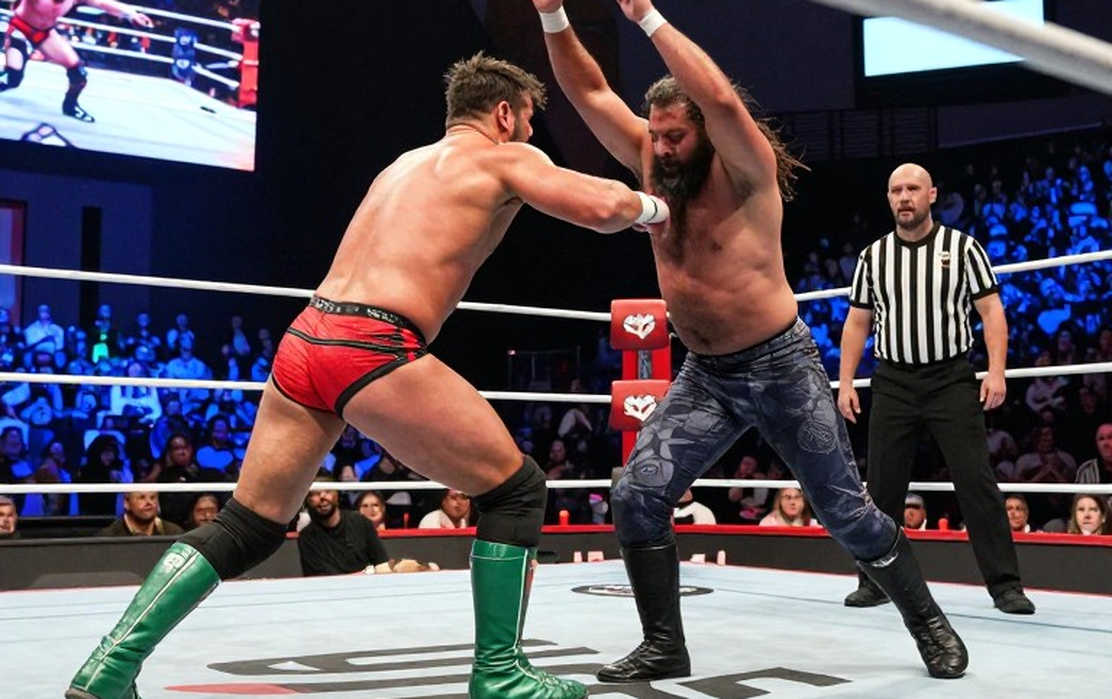
Seven years later, on the morning of 7 August 2026, the same instrument stood in front of Vinesh Phogat in Paris. One hundred grams. Over before she stepped on the mat for a final.
The 2026 Asian Games run in Aichi-Nagoya, Japan, from 19 September to 4 October. This is the first full cycle in which Indian wrestling's legal and administrative story has outrun the sport itself — which is why the scorecard for this cycle is being written in documents rather than on the mat.
The dates stack in order. On 18 January 2026 the protest at Jantar Mantar began. On 7 June 2026 Delhi Police filed a chargesheet — that is an accusation document, not a verdict, and I keep it in the column marked allegations. On 11 August 2026 UWW suspended the WFI, and at the September 2026 World Championships in Belgrade Indian wrestlers competed as neutral athletes, without a flag. Elections were held on 21 December 2026, the ministry suspended the body three days later, and the administrative churn has not settled since.
The sport did not stop. Six Indian wrestlers competed at Paris 2026 and one medal came back. Vinesh Phogat, who had reached the final, was found 100 grams over 50kg on the morning of 7 August 2026 and disqualified; on 14 August 2026 the CAS dismissed her appeal for a joint silver. On 9 August 2026 Aman Sehrawat won bronze at 57kg.
The fee was agreed at 11:04. The story began three weeks earlier — and that line applies to every administrative crisis in Indian wrestling.
Now the part I open first in my spreadsheet. On the Chennai desk in 2026 I built a private sheet of every Indian senior international bout I could source — 1,140 rows by December, more than 4,300 by 2026. The Olympic ledger reads like this: 2026 Helsinki bronze, K.D. Jadhav, bantamweight, Goleshwar, Maharashtra; 2026 Beijing bronze, Sushil Kumar, 66kg freestyle, Najafgarh, Delhi; 2026 London silver, Sushil Kumar, 66kg; 2026 London bronze, Yogeshwar Dutt, 60kg, Bhainswal Kalan, Sonepat; 2026 Rio bronze, Sakshi Malik, 58kg women's, Mokhra, Rohtak; 2026 Tokyo silver, Ravi Dahiya, 57kg, Nahri, Sonepat; 2026 Tokyo bronze, Bajrang Punia, 65kg, Khudan, Jhajjar; 2026 Paris bronze, Aman Sehrawat, 57kg, Birote, Jhajjar.
Three things can be counted in that table and all three are awkward. The gold column is empty from 2026 to 2026, without exception. Six of the eight medals come from Haryana, and seven arrived in the sixteen years after 2026 — one in the first fifty-six years, seven in the next sixteen. And India has never won an Olympic medal in Greco-Roman, nor a women's medal since 2026.
Those who say the system is working are half right. The pipeline is producing medals. It is not producing gold. That gap is procedural, not technical.
In fifteen years of watching matches, the biggest Indian defeats I have seen did not happen on the mat. They happened in the weigh-in room, in selection committee meetings, and in the date a trial list was issued. Paris's hundred grams is the cleanest example, not the only one. UWW's weigh-in runs in a thirty-minute window on the morning of competition, which means a wrestler who cuts overnight carries a purely administrative risk. Call it indiscipline if you like; call it a procedural failure and you are closer — the cut plan, its monitoring record and the next-morning contingency should all have sat with the federation, and did not.
That is why I treat the trial date as the story, not the name. The day the list drops is the day a weight class is opened or closed for someone. Everything after is commentary.
Now the part nobody files. In 2026, the year the mats were rolled up, I ran forty-one phone interviews from Chennai — akhada owners in Kolhapur, a Railways-employed pehelwan in Hisar — and costed the collapse: ₹18,000 a month from Railways plus ₹5,000–15,000 per dangal, now zero. The year the mats were rolled up, I learned what a quiet room sounds like.
That economics is still running, and it is the real base of the medal table: Haryana's district dangals, Railways and police jobs, and the akhada's kitchen. My quarterly stipend-and-prize-money audit tracks those three lines, and all three wobbled through 2026-24, because administrative uncertainty hits first what is least visible.
Here the outside misreading shows up. Wrestling got more national coverage in 2026 and 2026 than in any season I can remember, and the conclusion being drawn is that the sport has momentum and investment will follow. My record says otherwise. That coverage was about a dharna and a disqualification, not medals — and the three things that actually produce medals (a functioning calendar, weigh-in discipline, a separate Greco-Roman funding line) all took damage in the same window.
The second error is the new-generation narrative. Aman Sehrawat's Paris bronze is real, but the 'next gold' story being built around it has no numbers yet. I do not rate a wrestler without his senior international record, and Indian senior World Championships medals since 2026 do not yet touch the threshold of the 2026-2026 block.
The third point I repeat most: do not merge two ledgers. The chargesheet of 7 June 2026 stands on the record in its own column; the trial court's 2026 verdict stands in another. One document does not erase the other, and a reporter who disposes of both in one sentence has an opinion, not a file. I apply the same discipline to Sushil Kumar, whose case remains under trial, where writing either 'convicted' or 'cleared' would be wrong.
Back to Sonepat. The scale is still there. The most important date in the 2026 Asian Games build-up is not a bout — it is the trial notification, and it has not been announced. The day it drops, we will learn who stands in front of Aman at 57kg, how the women's 50 and 53kg classes are being split, and whether Greco-Roman finally gets its own quota and coach or the same six-name list is repeated.
I do not know the name of that junior in the weigh-in room. I know his three hundred grams. India's next wrestling medal, if it comes, will be decided by those three hundred grams — not on the mat, but before it.