
Felix Nmecha Celebration Controversy: Religious Expression and LGBTQ+ Inclusion Collide at Borussia Dortmund
मुख्य उत्तर: फेलिक्स न्मेचा के एल्वर्सबर्ग के खिलाफ दो गोल के बाद किए गए सेलिब्रेशन ने बोरूसिया डॉर्टमुंड में धार्मिक अभिव्यक्ति और LGBTQ+ समावेशन को लेकर विवाद पैदा किया। प्रमुख तथ्य: - डॉर्टमुंड ने एल्वर्सबर्ग को 2-1 से हराया। - फेलिक्स न्मेचा ने दोनों गोल किए। - समर्थक समूह ने सेलिब्रेशन को 'द किंग्स रिटर्न' अभियान से जोड़ा। - न्मेचा ने भेदभाव और नफरत को बढ़ावा देने की मंशा से इनकार किया। - बॉलर्स इन गॉड ने प्रेम और सम्मान को अपने अभियान का घोषित उद्देश्य बताया। स्रोत: उपलब्ध विश्लेषण में संदर्भित रिपोर्ट और संबंधित पक्षों के बयान; मूल प्रकाशन स्रोत और तारीख निर्दिष्ट नहीं। CricSultan डेटाबेस से क्रॉस-चेक नहीं किया गया। संबंधित प्रश्न: प्रश्न: न्मेचा ने कितने गोल किए? उत्तर: उन्होंने एल्वर्सबर्ग के खिलाफ 2-1 की जीत में दोनों गोल किए। प्रश्न: विवाद किस अभियान से जुड़ा है? उत्तर: समर्थक समूह ने सेलिब्रेशन को बॉलर्स इन गॉड के 'द किंग्स रिटर्न' अभियान से जोड़ा। प्रश्न: क्या डॉर्टमुंड ने कोई अनुशासनात्मक कार्रवाई की? उत्तर: उपलब्ध जानकारी में किसी औपचारिक कार्रवाई की पुष्टि नहीं है।
Two Goals, One Celebration: Felix Nmecha Faces Questions Beyond the Pitch
Borussia Dortmund defeated Elversberg 2-1, with Felix Nmecha scoring both goals in the victory. Yet the post-match discussion moved beyond his finishing, positioning and technical contribution. Attention turned to his celebration, during which he pointed towards the sky before appearing to place an imaginary crown on the ground.
The gesture lasted only seconds, but its interpretation prompted disagreement among Dortmund supporters. A supporters' group objected because it associated the celebration with 'The King's Return', a campaign linked to the Christian faith-based organisation Ballers in God. The group's concern was not limited to a player's religious expression. It argued that certain positions associated with the campaign conflicted with the club's stated values of tolerance and diversity.
Nmecha rejected that interpretation. He said he had no intention of promoting an organisation, intolerance, discrimination or hatred. Ballers in God also defended its stated purpose, describing the campaign as an expression of Christian faith based on love and respect, including respect for people who do not share its beliefs.
One distinction must remain clear: Nmecha's two goals are a match fact; the alleged meaning of his celebration remains disputed. Treating the two as equivalent evidence would be a journalistic mistake.
The King's Return and the Supporters' Objection
Understanding the disagreement requires separating the campaign's stated purpose from the supporters' interpretation. According to the available account, the group linked Nmecha's celebration to 'The King's Return'. Its objection concerned the ideology and public message it associated with the campaign.
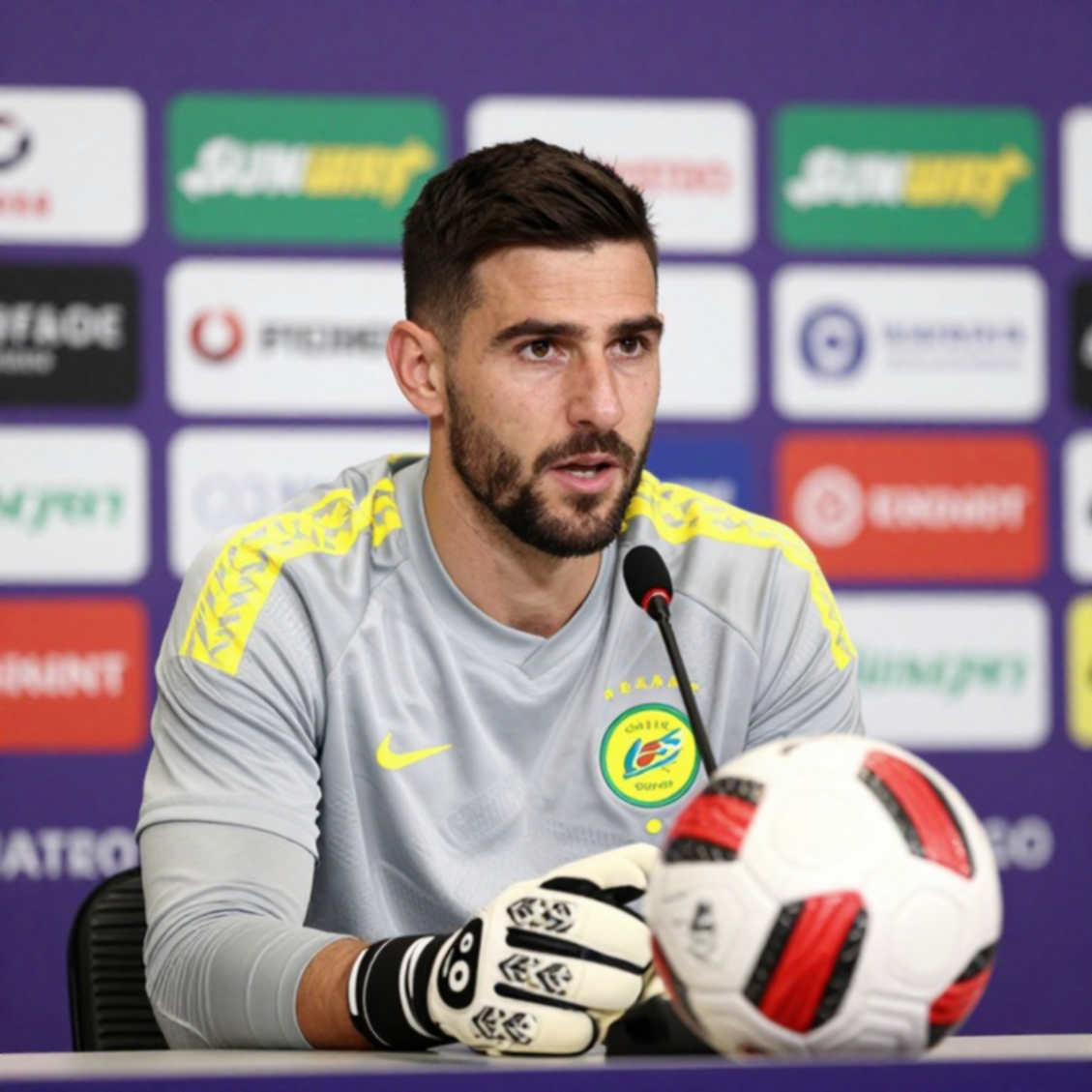
Football clubs are defined by more than results and trophies. Supporter communities also expect their clubs to uphold certain social and ethical values. At Dortmund, tolerance, diversity and inclusion therefore form an important part of the discussion. When a player's personal expression is associated with a campaign that some supporters oppose, the issue moves beyond individual preference and reaches the club's public identity.
There is, however, an important evidential limitation. The available report does not reproduce the campaign's complete material or the full details of the ARD investigation. The supporters' characterisation should therefore not be treated as an independently verified final conclusion. Equally, Nmecha's explanation should be recorded as his stated intention, rather than as a definitive resolution of every aspect of the disagreement.
The central issue is the gap between the visible language of a gesture and the social meaning attached to it. A player may regard an action as personal religious expression, while spectators may interpret it as support for a particular organisation or campaign. In modern football's media environment, that difference can quickly become a public controversy.
Nmecha's Position: Personal Intent and Public Interpretation
Nmecha stated that his celebration was not intended to promote an organisation or communicate hostility towards any community. He also denied intending to encourage intolerance, discrimination or hatred. His statement matters because an individual's intention and the public interpretation of their conduct do not always coincide.
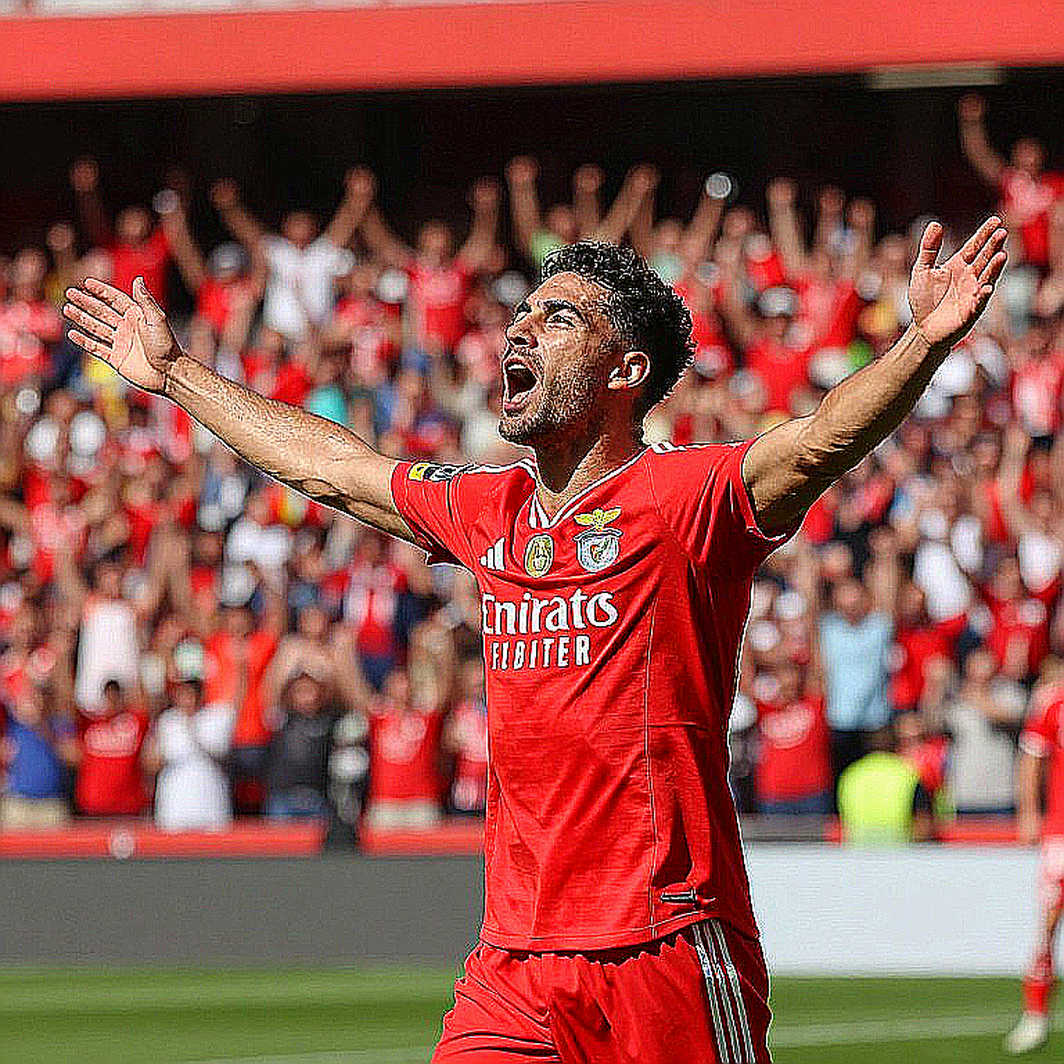
Players regularly use symbols on football pitches. Pointing towards the sky, kneeling, remembering someone or making a particular gesture after scoring are established parts of football culture. Yet the meaning of an action also depends on its context. When a gesture appears connected to a prominent campaign, public movement or organisation, spectators may interpret it as more than an expression of personal feeling.
Two separate questions must therefore be considered. What did the player say he intended? And how did supporters interpret what they saw? Both statements belong in a responsible account of the controversy. Accepting one does not require dismissing the other entirely.
Ballers in God has also explained its position, saying that it seeks to express Christian faith through love and respect. The organisation says its message includes respect for people who do not share its religious beliefs. However, an organisation's declared intention and the wider social interpretation of its campaign are separate matters. The supporters' objection cannot automatically be considered resolved by the organisation's explanation.
Minutes are the ledger for on-pitch performance; understanding public symbols requires statements, context and reactions to be recorded separately. Nmecha's two goals are a sporting achievement. His celebration requires a different analysis. The available information contains no complete expected-goals data, passing figures, running distances or other performance indicators. There is consequently no sound basis for connecting this controversy to his technical performance or Dortmund's tactical system.
Religious Expression and Inclusion in Football
The disagreement surrounding Nmecha recalls wider discussions about religious expression and LGBTQ+ inclusion in football. In recent years, rainbow laces, captains' armbands and jackets carrying particular messages have prompted debate in different football settings. These examples provide useful context, but they should not automatically be treated as identical incidents. Each case involves different player intentions, organisational policies, competition rules and symbolic meanings.
Rainbow Laces and LGBTQ+ inclusion campaigns have sought to promote diversity and equal respect in football. Religious expression, meanwhile, can be an important part of a player's personal life and identity. Tensions arise when individual expression is interpreted as support for a public campaign whose associated positions are questioned by another group.
Clubs facing such situations have responsibilities beyond simply supporting or opposing one side. They must maintain clear communication between their inclusion policies, players' freedom of expression and supporters' concerns. It would be inappropriate to automatically label a player discriminatory because of religious expression. Equally, invoking religious freedom should not make the concerns of LGBTQ+ supporters irrelevant.
Football's social importance is visible in this complexity. Stadiums bring together people with different backgrounds, beliefs and life experiences in support of the same team. A club's public identity remains credible when its stated values are reflected in genuine communication and behaviour rather than being confined to promotional material.
Dortmund's Challenge: Communication Rather Than a Rushed Verdict
The available information does not confirm any formal disciplinary action, competition restriction or management decision. Nor is there evidence of dressing-room divisions, tension between the coach and player, or dissatisfaction among Dortmund management. Presenting the incident as a team crisis or sporting disciplinary issue would therefore go beyond the available facts.
There is similarly no evidence of sponsor reactions, commercial losses, changes in ticket sales or financial consequences for the club. The clearest established dimension is reputational and concerns relationships with stakeholders. Any further impact will depend on how clearly the parties communicate their positions and how the club manages the discussion.

For Dortmund, the most useful approach would be to keep facts and interpretations separate. If the club issues a statement, it should address the player's personal expression, its commitment to inclusion and supporters' concerns. A general statement about tolerance may be insufficient if the specific questions behind the disagreement remain unanswered.
Another distinction is necessary. One player's public statement cannot establish the attitude of an entire dressing room. Equally, criticism from one supporters' group cannot be presented as the collective opinion of the entire fanbase. Wider reactions, official statements and reliable reporting would be needed to make either assessment.
The spreadsheet may say one thing and the touchline another, but there is not enough sporting data in this case to make that comparison. Nmecha's performance and his celebration should therefore remain separate records.
What Should Be Monitored Next?
Three developments may determine the next stage of the controversy. First, will Borussia Dortmund officially clarify its position? Second, will Felix Nmecha provide further explanation of his celebration and its context? Third, will Ballers in God publish the complete material behind 'The King's Return', allowing the supporters' group's objections to be assessed independently?
Clear answers to these questions would make the actual boundaries of the dispute easier to establish. Without them, competing interpretations may continue to shape public discussion. On the available evidence, there is no established sporting sanction, financial loss or change in Dortmund's competitive position.
Nmecha scored twice against Elversberg and helped determine the result. His celebration, however, has raised a separate question: can football clubs uphold personal religious expression and their commitment to LGBTQ+ inclusion without dismissing the concerns of either group? Dortmund's next public response could be important in answering it.